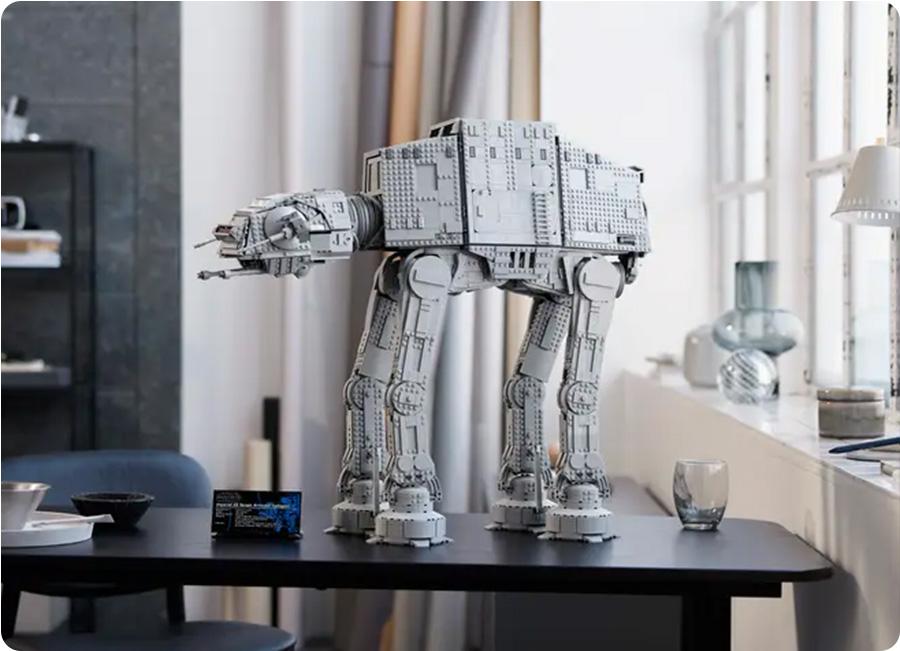
Unlocking Profits: How Star Wars LEGO Sets Can Be a Lucrative Investment for Smart CollectorsStar Wars and LEGO have formed one of the most enduring partnerships in pop culture history. Since their debut in 1999, Star Wars LEGO sets have captivated fans of all ages with intricate builds, iconic minifigures, and endless play possibilities. But beyond the fun of construction lies a thriving resale market where collectors are turning their passion into profit. Whether you're a casual builder or a dedicated investor, understanding the resale potential of Star Wars LEGO sets can help you build a collection that pays dividends—literally.In this comprehensive guide, we'll explore the history, value drivers, top-performing sets, proven strategies, and practical tips for reselling Star Wars LEGO for profit. We'll also highlight complementary Star Wars collectibles that enhance any LEGO-focused portfolio. If you're ready to turn plastic bricks into real returns, read on.The Enduring Appeal of Star Wars LEGO: A Quick HistoryLEGO Star Wars launched alongside The Phantom Menace and quickly became the brand's most successful licensed theme. Over 25 years, nearly 1,000 sets have been released, spanning the original trilogy, prequels, sequels, spin-offs like The Mandalorian, and animated series such as The Clone Wars and Rebels.What sets Star Wars LEGO apart is its blend of nostalgia, storytelling, and collectibility. Early sets like the original Millennium Falcon (set 7194 from 2000) were modest in scale but huge in demand. As the line evolved, so did the complexity: from simple vehicles to massive Ultimate Collector Series (UCS) builds with thousands of pieces and exclusive minifigures. This evolution created natural scarcity. Once a set retires from production—typically after 1–3 years on shelves—supply dries up while fan demand persists, driving up secondary-market prices.The theme's cultural staying power is unmatched. New films, TV shows, and celebrations keep Star Wars relevant, ensuring fresh generations discover (and covet) classic builds. For collectors, this means Star Wars LEGO isn't just a toy—it's a blue-chip investment in fandom.Why Star Wars LEGO Sets Appreciate in ValueSeveral key factors make Star Wars LEGO a standout for resale profits:
- Retirement and Scarcity: LEGO discontinues sets to make room for new releases. Retired Star Wars sets often see immediate price jumps. Historical data shows the theme averaging around 11% annual growth, outperforming many traditional investments.
- Iconic Themes and Exclusives: Original Trilogy (OT) sets, UCS models, and limited-edition minifigures command premiums. Battle packs, Gift-with-Purchase (GWP) items, and convention exclusives add rarity layers.
- Minifigure Value: Many sets include unique or variant minifigures that collectors prize. A single rare minifigure can account for 30–50% of a set's secondary value.
- Condition Matters: Factory-sealed, new-in-box (NIB) sets in pristine condition fetch the highest prices. Proper storage (cool, dry, dark environments) preserves value.
- Market Demand: Platforms like eBay, BrickLink, and Facebook Marketplace show consistent buyer interest. Pop culture events, anniversaries, and new media releases create spikes.
- UCS Millennium Falcon (75192) – This 7,500+ piece behemoth is the gold standard. Released in 2017 and retired in 2020, sealed copies routinely sell for 2–3x retail. Its detailed interior, minifigures, and play features make it a perennial favorite.
- Death Star (10188) – As noted, this massive playset remains a benchmark for OT nostalgia. Its size and detail ensure strong long-term appreciation.
- Captain Rex's AT-TE (75157) – A Clone Wars standout with exclusive minifigures. It has shown 195% growth and continues climbing due to animated series popularity.
- Mos Eisley Cantina (75290) – A Master Builder Series set with 3,000+ pieces and 21 minifigures. Even post-retirement, it holds steady value with upside from Obi-Wan Kenobi ties.
- Recent Standouts Like the Razor Crest – Mandalorian-themed sets exploded in popularity. While newer releases require patience, early buyers who secured them at retail have already seen solid returns as they approach retirement.
- Research Thoroughly: Use sites like BrickEconomy or BrickLink for price histories, part-out values, and retirement estimates. Track LEGO's official retirement lists and fan communities.
- Buy Smart: Target discounts during holidays, clearance events, or Amazon/Lego.com sales. Multiples of high-potential sets (especially under $100) maximize upside. Focus on sets with strong minifigures or UCS status.
- Store Properly: Keep boxes unopened, in original packaging. Use climate-controlled storage to avoid damage from heat, humidity, or sunlight.
- Time Your Sales: Sell 1–3 years after retirement when supply is low but demand peaks. Leverage anniversaries (e.g., 25th for certain themes) or new media releases.
- Choose Platforms Wisely: eBay for broad reach (watch fees), BrickLink for serious collectors, or local groups for quick flips. High-quality photos and accurate descriptions boost final prices.
- Diversify: Mix UCS heavies with affordable battle packs or GWP items for balanced risk.
- Focus on Original Trilogy Sets: OT themes historically outperform prequel or sequel lines.
- Watch Minifigure Exclusivity: Sets with characters unlikely to be re-released (e.g., specific Clone Wars variants) hold extra value.
- Parting Out as a Backup: If a full set doesn't sell, parting out pieces and minifigures can recover costs or generate profit.
- Track Trends: Follow LEGO investing communities on Reddit (r/legoinvesting) and YouTube channels for real-time insights.
- Start Small: Beginners should invest $500–$2,000 across 5–10 sets rather than going all-in on one expensive UCS.
- Never paying above retail unless it's a proven grail.
- Starting with lower-price-point sets.
- Regularly checking market values.
- Selling incrementally rather than all at once.
